
Frequently Asked Questions
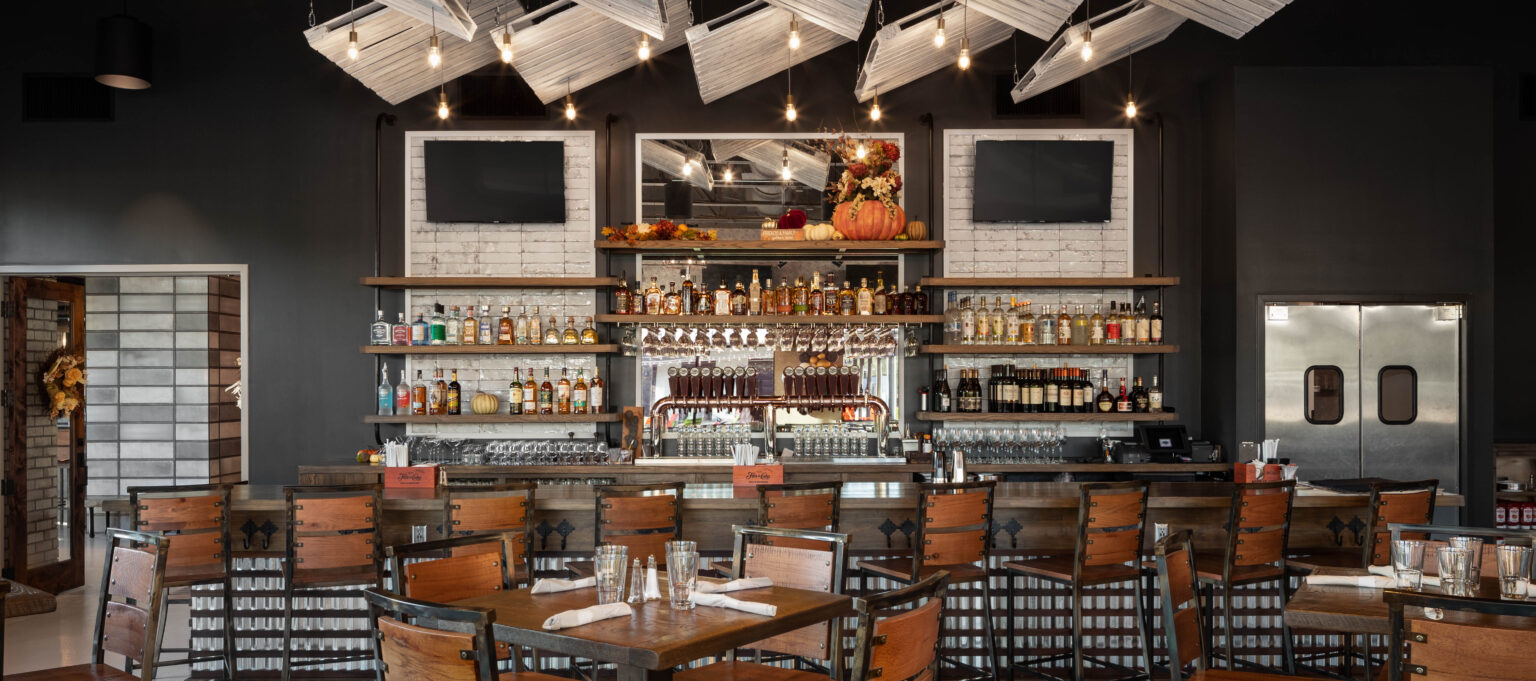
If you're planning an architectural or interior photography shoot, you may have questions about the process and how I work. Below are answers to the most common questions I receive from architects, designers, builders, and developers.
What is the difference between architectural/design photography and real estate photography?
The difference comes down to purpose – real estate photography aims to document a building or space in order to sell or lease it quickly, while architectural or interior design photography aims to communicate the design intent and how it feels to experience in person. While real estate shoots typically take a couple of hours, a professional architectural shoot is a full-day production involving precision lighting, staging, and meticulous composition to capture the architect’s or designer’s vision.
What does a typical architectural or interior design photo shoot day look like?
See this blog post for more explanation.
Where do you work?
How far in advance do I need to schedule an architectural photography shoot?
The more time the better! Most shoots can be scheduled fairly quickly, though two weeks minimum would be best. That way we have time to discuss your priorities and plan the shoot. A signed agreement and deposit are needed before the shoot as well.
How long do you need on site?
Does the client need to be on site for an architectural or design photo shoot?
If you can! I love to have the architect or designer, along with the marketing contact, on site during a shoot to collaborate on the images. We talk through composition and furniture arrangement for each shot, reviewing things in real time. If you can’t be present, we’ll have a thorough conversation before the shoot to nail down the shot list, the intended style, design features, your brand identity, etc., then I can shoot on my own.
Do we need to plan a scouting visit to the site in advance of the photo shoot?
Most architecture and interior design shoots can be planned through conversations with the project team, along with drawings, renderings, and project progress photos. For large complex shoots, a scouting visit may be helpful or essential though. We can discuss your project details.
Do you shoot tethered?
Yes, I shoot wirelessly tethered to a tablet, allowing us to collaborate without huddling around a laptop. We can also connect to your own tablet, where you can see the ‘Live View’ video and watch exactly how moving a chair or adjusting a light impacts what the camera sees.
Do you use supplemental lighting equipment?
Yes. My goal is to mimic natural light while using professional strobes and modifiers to fill in shadows and add shape and dimension. Typically I use natural light along with flashes, light shaping tools, and multiple exposures in order to be able to convey how a space actually feels.
Do you shoot with an assistant?
Can you include people (models) in the shots?
What if the weather isn't looking great for the photo shoot?
Do you do drone photography?
How much does an architectural or interior design photo shoot cost?
What is 'cost sharing' in professional photography, and how does it work?
What is your turn-around time for the final photos?
Do you remove elements from photos?
How many final images do you do in a day?
In contrast to real estate photography where photographers often produce 30-50 or more images in a day, in my architecture and interiors business I am often spending an hour or more on shooting one image (with choosing the perfect composition, arranging furniture and furnishings, positioning lighting and people, etc.). I typically produce 15-20 images in a day, include about 12 meticulously staged images and 3-8 quicker detail or vignette images.
Who owns the final photos?
Can I give the photos to other people involved in the project?
How do I need to prepare a site for an architectural photo shoot?
Please see these guides for how to prepare your building or home.
How to prepare for a commercial architectral photography shoot.
How to prepare your home for a residential photo shoot.
Do I need to hire a professional stylist?
For standard portfolio work and most shoots, the designer, along with my assistant and me, can usually style the shots together. For high-end design awards or for publications, yes, a professional stylist is important.
Contact me if you’d like to discuss any other questions!